
Stopping is not the same as resting
Four hours on the sofa can leave you more tired than the day that preceded it, and almost everybody has had that evening without ever asking why.
Nikhil SharmaOctober 6, 20262 min read
Four hours on the sofa can leave you more tired than the day that preceded it, and almost everybody has had that evening without ever asking why.
The reason is that stopping and resting are different events. Stopping means the work ended. Resting means something was put back.
Scrolling is stopping. So is collapsing in front of something loud, and so is the second hour of a programme nobody is really watching. The task has paused and nothing has been returned, which is why the evening can vanish and the tiredness remain.
What actually restores is personal and worth knowing. For some people it is silence. For others it is music, or hands in soil, or cooking something slowly, or a walk with no destination, or a conversation with somebody who wants nothing from them. The list is short for each person and it is rarely the thing they default to.
So the question is not whether you rested. It is whether you know what rests you — and most people have never been asked, so they have never answered.
There is a simple way to find out. For one week, at the end of each evening, note what you did with the free hours and whether you felt restored or merely emptied. The pattern shows up fast, and it is usually not what you expected.
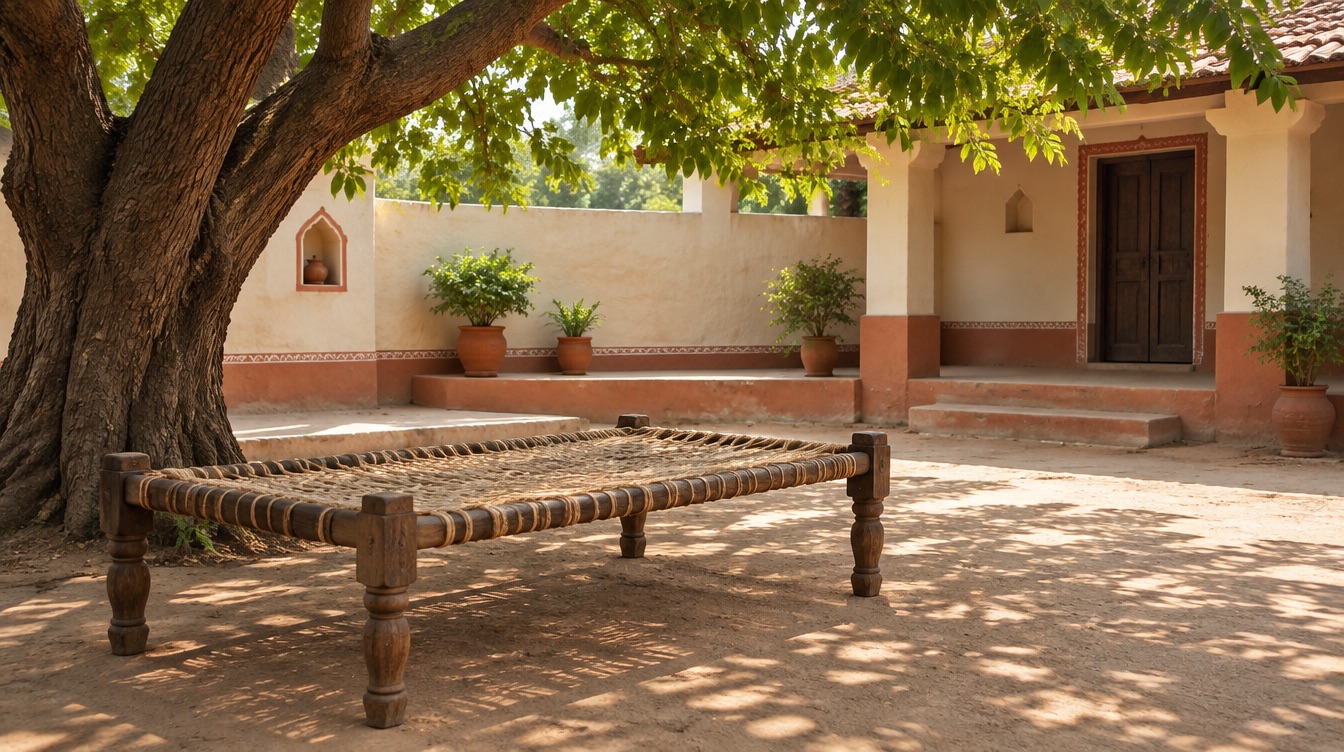
A charpai under a tree in the afternoon is not idleness. It is maintenance, and the people who built that habit into the shape of the day understood something we have mostly mislaid.